
Match the Facebook layout to the task
People use Facebook differently from session to session. One visit may be a quick scan of friends and groups; another may involve reading a long discussion, checking an event, or reviewing a photo collection. The theme must preserve authorship, timestamps, privacy context, reactions, comments, and shared-post relationships. Compact density can improve scanning, but it should never make separate stories merge into one ambiguous block.
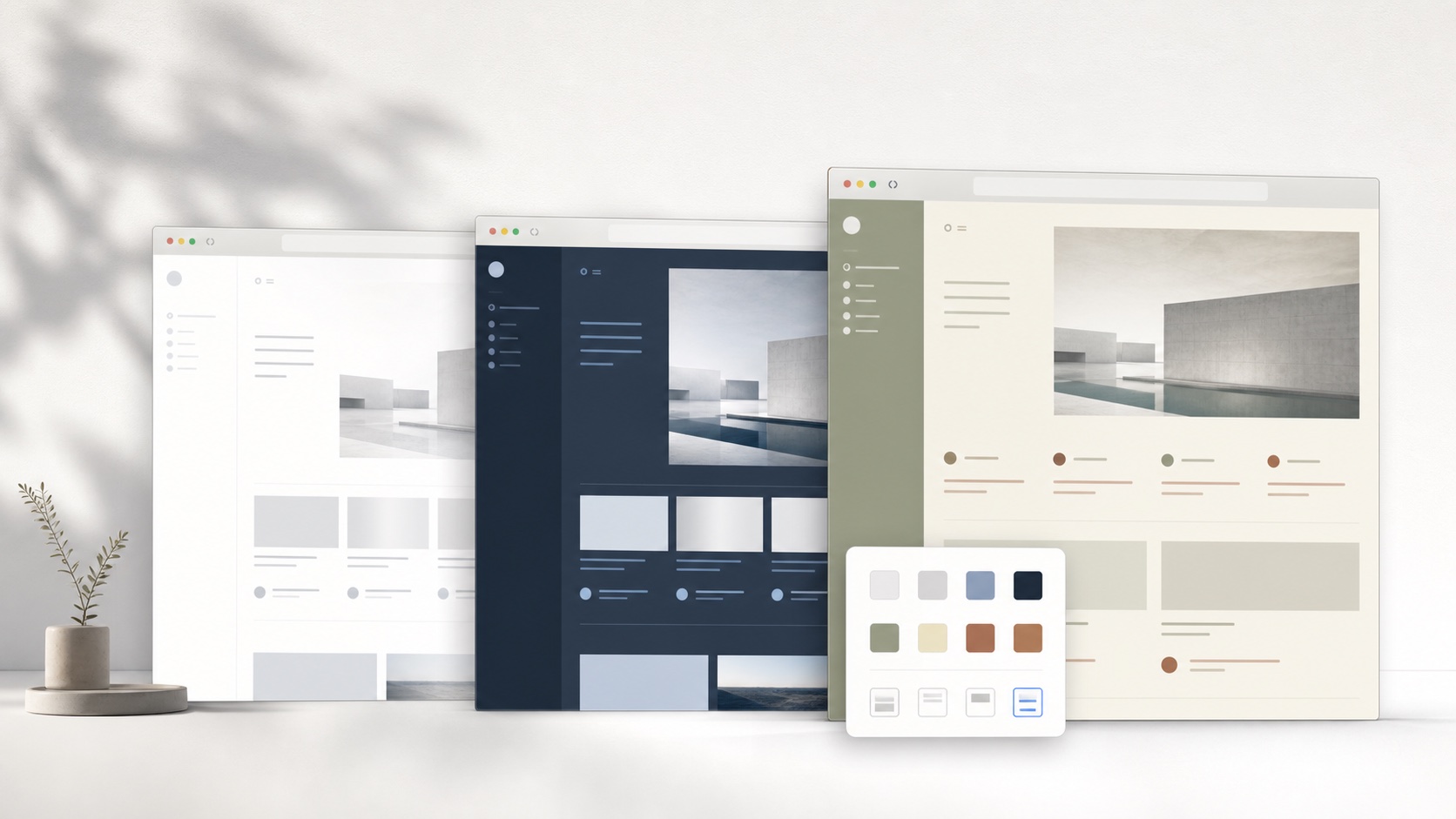
A coherent Facebook theme coordinates background, surface, text, border, accent, radius, shadow, and spacing as one system. Changing only the page background usually exposes untouched cards, inputs, menus, and selected states. SiteSkin builds a structured Skin Manifest from approved visual properties, then lets the browser extension translate semantic components into maintained CSS. The result is inspectable theme data rather than a remote script or a block of unknown selectors.
Style the whole supported Facebook interface
A site-specific skin can distinguish the main feed from left navigation, right-side contacts, story modules, comment sheets, menus, and modal dialogs. That distinction matters because a universal filter may flatten every surface into the same shade and hide the boundary around a dialog. SiteSkin uses semantic regions and approved properties to keep elevated panels, inputs, active tabs, buttons, and muted metadata readable in one visual system.
SiteSkin requests access only for a supported website when the user chooses to enable it. The Facebook adapter owns selectors and feature behavior, while the skin holds reusable design decisions. This separation matters when the website changes: selector maintenance belongs in the adapter instead of every saved theme. It also means a generated skin cannot invent a new behavior, load arbitrary code, or expand its own permissions.
Use focus controls without losing control
Users who mainly read the feed can reduce the side columns and center the primary content. A wider presentation helps long posts and comment discussions, while compact mode shows more updates on a laptop screen. The controls are optional: the same visual palette can be used with the original layout, and restoring the original Facebook presentation takes one action from the extension popup.
A responsible theme preserves audience selectors, sponsored labels, security warnings, account-switching context, reporting actions, and confirmation dialogs. SiteSkin changes local presentation only. It does not publish, react, message, join a group, alter privacy settings, or inspect private content. The adapter avoids assigning cosmetic rules to authentication and payment meaning, and every supported change remains removable.
Evaluate Facebook themes before installation
Evaluate a Facebook theme across the feed, a group discussion, an event, a profile, Marketplace navigation, comments, menus, and confirmation dialogs. The surface behind a post should remain distinct from the page without making every story look like a floating advertisement. Reactions, privacy or audience context, timestamps, shared-post attribution, sponsored labels, and comment nesting must keep their meaning. Test long text, bright photos, dark video, and empty states because each places different pressure on contrast. Also compare a normal layout with reduced side navigation so the primary feed remains centered without hiding account, safety, or reporting controls. Repeat the check after opening a modal and returning to the feed, because layered surfaces and dynamically loaded stories often reveal contrast problems that the initial screen does not show.
Use the SiteSkin preview to inspect the visual direction, then treat the current live Facebook interface as the final compatibility check. Confirm that text remains readable over primary and secondary surfaces, keyboard focus is visible, active navigation is distinct, and media is not recolored by surrounding styles. Review each optional feature switch separately because hiding a sidebar or increasing density changes the page more substantially than an accent color. If the result supports the intended task, install the validated manifest through the official extension. If it does not, revise the tokens or return to an official preset. The original Facebook presentation remains available at every stage, so comparison and recovery never require changing the underlying account. Keep the chosen task constant while comparing themes: switching the palette, density, content width, and sidebar behavior at the same time makes it difficult to identify which change improved the experience. A deliberate preview records the useful choice and exposes the one that should be removed.
Frequently asked questions
Does a SiteSkin Facebook theme change my account or content?+
No. The theme changes supported presentation in the local browser. Facebook remains responsible for account data, content, service logic, and transactions.
Can I restore the original Facebook design?+
Yes. Pause the active skin or choose the original-site action in the extension. Theme and focus controls are designed to be reversible.